 Side Dish
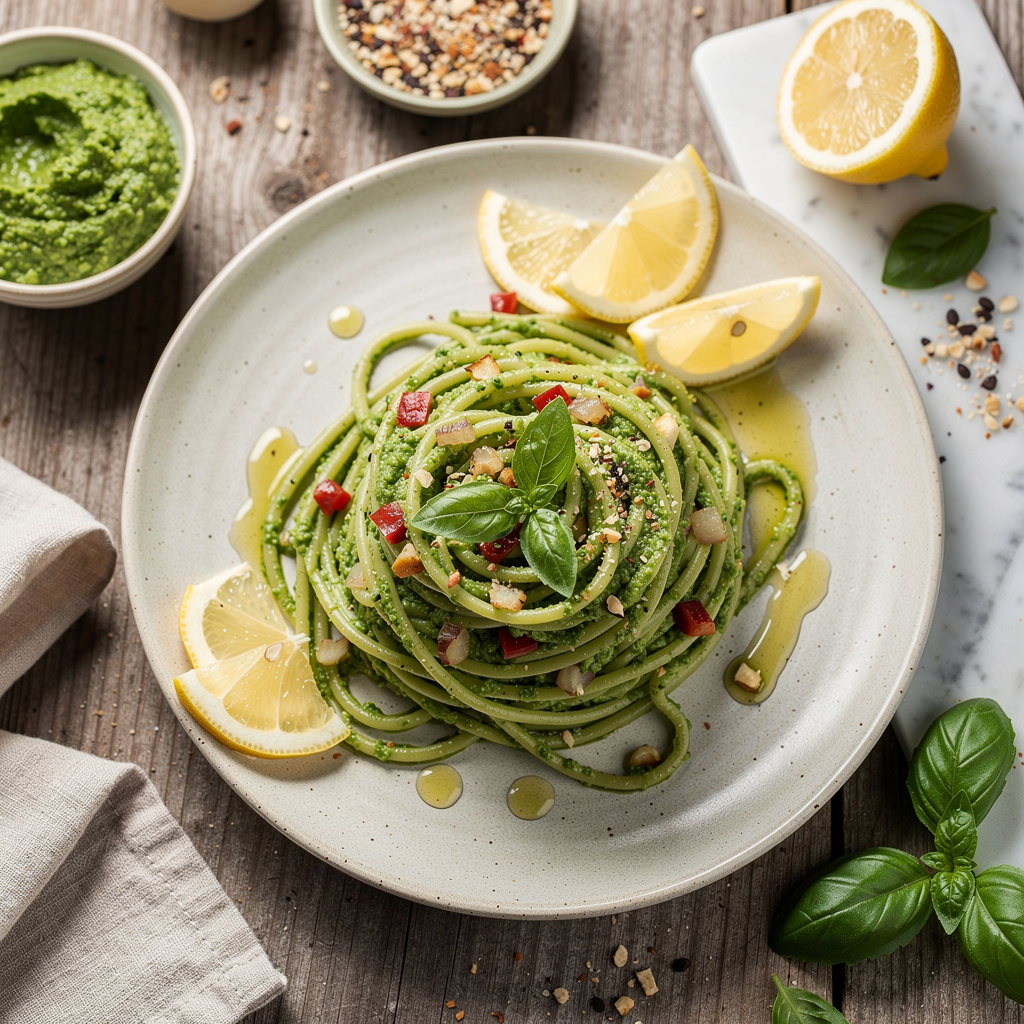
Pea and Basil Pesto Pasta
Ingredient swaps: Swap jarred roasted red bell pepper for fresh bell pepper or sun-dried tomatoes Swap pine nuts with walnuts, almonds, sunflower seeds, or pumpkin seeds Store the pasta and pea pesto separately in an airtight container in the fridge for up to 4 days. Combine when ready to enjoy. Health Benefits: Basil Pesto Basil pesto is a flavorful sauce traditionally made by blending basil, nuts, olive oil, and aromatics into a smooth, nutrient‑dense mixture. Basil provides antioxidants and anti‑inflammatory compounds, while olive oil contributes heart‑healthy monounsaturated fats that can help support better post‑meal glucose responses by slowing digestion and improving insulin sensitivity. When used in balanced meals, pesto adds richness and satisfaction without relying on added sugars, making it a smart flavor‑builder for people with diabetes. The combination of healthy fats, herbs, and nuts can also support cardiometabolic health, which is especially important for individuals managing diabetes. Nutrition Tip: Green Peas Add Fiber That Supports Steadier Blood-Sugar Responses Green peas are considered a starchy vegetable, but they offer far more than just carbohydrates. They provide a valuable combination of fiber and plantbased protein that slows digestion and supports steadier postmeal bloodsugar responses. Their nutrient density, including vitamin C, vitamin K, folate, minerals, and antioxidants, supports metabolic benefits, making peas a smart addition for people managing diabetes. References: Schwingshackl L, Hoffmann G. Monounsaturated fatty acids and risk of cardiovascular disease. Nutrients. 2012;4(12):1989‑2007. American Diabetes Association. Fats and diabetes. https://diabetes.org/healthy-living/recipes-nutrition/fats-diabetes Dahl WJ, Stewart ML. Position of the Academy of Nutrition and Dietetics: Health implications of dietary fiber. J Acad Nutr Diet. 2015;115(11):1861‑1870. American Diabetes Association. Healthy eating for diabetes. https://diabetes.org/healthy-living/recipes-nutrition
Source: Live Tula Meal Planner
1 steps, about 25 minutes
-
01Cook the linguine in salted boiling water according to package instructions until al dente. 2. While the pasta cooks, heat 1 tsp olive oil in a medium pan over medium‑high heat. Add the garlic and cook for 2 minutes. Transfer the garlic to a small food processor. 3. In the same pan, heat the remaining 2 tsp olive oil. Add the diced shallots and cook until golden. Stir in the roasted red peppers just to warm through, then remove from heat. 4. To the food processor, add the lemon juice, peas, toasted pine nuts, basil, 2 tbsp olive oil, salt, and pepper. Blend until smooth and creamy to form the pea pesto. 5. When the pasta is al dente, drain it and return it to the empty pot. Add the shallot and red pepper mixture along with the pea pesto. Toss until the pasta is evenly coated. 6. Plate the pasta over a bed of arugula. Add optional toppings if desired and enjoy warm.
Ingredient swaps: Swap jarred roasted red bell pepper for fresh bell pepper or sun-dried tomatoes Swap pine nuts with walnuts, almonds, sunflower seeds, or pumpkin seeds Store the pasta and pea pesto separately in an airtight container in the fridge for up to 4 days. Combine when ready to enjoy. Health Benefits: Basil Pesto Basil pesto is a flavorful sauce traditionally made by blending basil, nuts, olive oil, and aromatics into a smooth, nutrient‑dense mixture. Basil provides antioxidants and anti‑inflammatory compounds, while olive oil contributes heart‑healthy monounsaturated fats that can help support better post‑meal glucose responses by slowing digestion and improving insulin sensitivity. When used in balanced meals, pesto adds richness and satisfaction without relying on added sugars, making it a smart flavor‑builder for people with diabetes. The combination of healthy fats, herbs, and nuts can also support cardiometabolic health, which is especially important for individuals managing diabetes. Nutrition Tip: Green Peas Add Fiber That Supports Steadier Blood-Sugar Responses Green peas are considered a starchy vegetable, but they offer far more than just carbohydrates. They provide a valuable combination of fiber and plantbased protein that slows digestion and supports steadier postmeal bloodsugar responses. Their nutrient density, including vitamin C, vitamin K, folate, minerals, and antioxidants, supports metabolic benefits, making peas a smart addition for people managing diabetes. References: Schwingshackl L, Hoffmann G. Monounsaturated fatty acids and risk of cardiovascular disease. Nutrients. 2012;4(12):1989‑2007. American Diabetes Association. Fats and diabetes. https://diabetes.org/healthy-living/recipes-nutrition/fats-diabetes Dahl WJ, Stewart ML. Position of the Academy of Nutrition and Dietetics: Health implications of dietary fiber. J Acad Nutr Diet. 2015;115(11):1861‑1870. American Diabetes Association. Healthy eating for diabetes. https://diabetes.org/healthy-living/recipes-nutrition
No notes yet.