 Side Dish
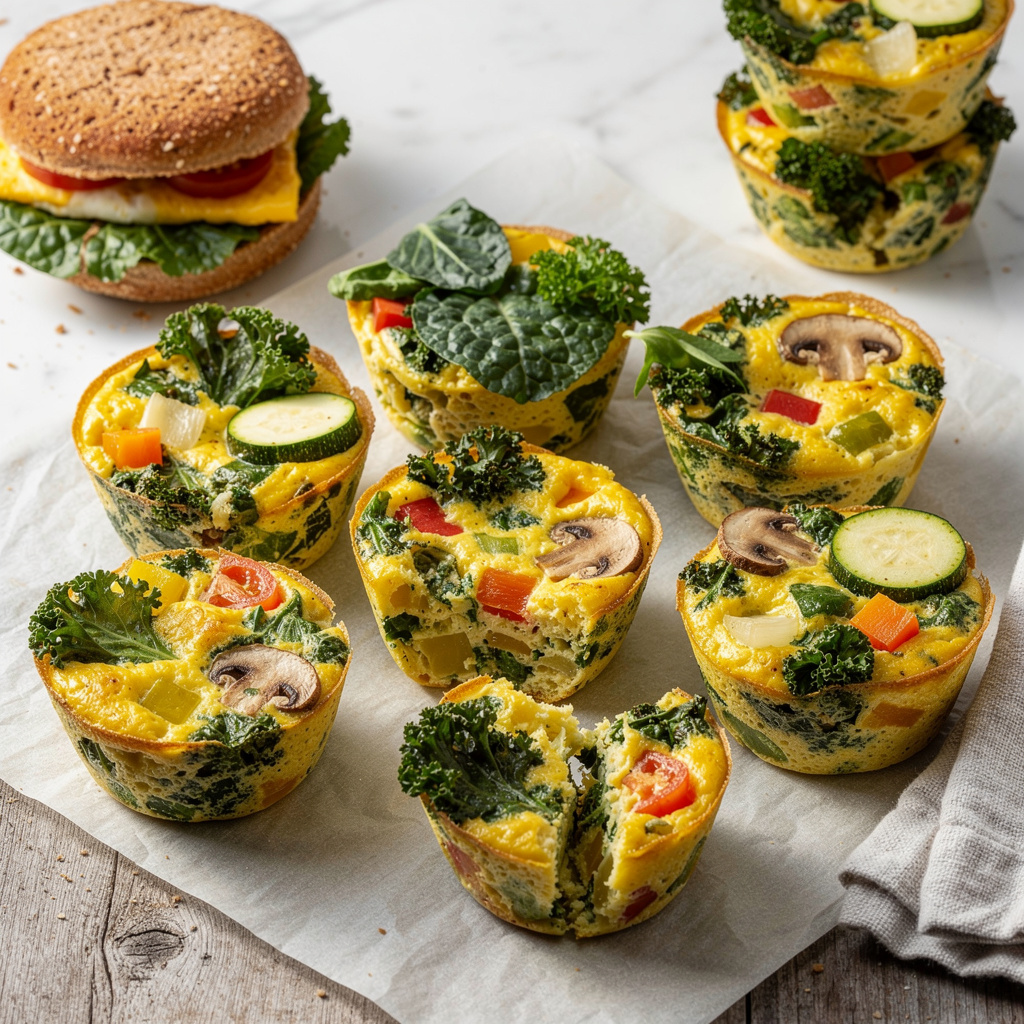
Kale Egg Breakfast Cups
Kale substitutions: Any variety works well; Try curly kale, Tuscan (Lacinato) kale, or tender baby kale for different textures and flavors. Nutrition boost: Enhance the cup by adding or swapping non-starchy vegetables such as tomatoes, mushrooms, or zucchini for extra nutrients and fiber. Make it a breakfast sandwich: Place an egg cup between a 100% whole-wheat English muffin for a quick, protein-packed breakfast. Storage: Meal Prep Tip: Double the recipe to make 24 muffins and store them for a quick, nutritious breakfast throughout the week. Store muffins in an airtight container and refrigerate for up to 5 days. For longer storage, transfer to a freezer-safe bag and freeze for up to 2 months. Reheat in the microwave for 20–30 seconds or in the oven at 350°F for 5–7 minutes. Health Benefits: Kale Kale is a nutrient-dense leafy green that offers significant benefits for people with diabetes. Its high fiber and antioxidant content help improve insulin sensitivity and support glycemic control. Packed with vitamins A, C, and K, as well as minerals like magnesium, linked to reduced diabetes risk, kale also delivers phytochemicals that promote cardiovascular health. Regular consumption of green leafy vegetables, including kale, is associated with a lower risk of type 2 diabetes, making it an excellent low-glycemic addition to diabetes-friendly meal plans. References: Łukaszyk A, Kwiecień I, Kanik A, et al. Nutritional, therapeutic, and functional food perspectives of kale (Brassica oleracea var. acephala): an integrative review. Molecules. 2025;30(21):4214. doi:10.3390/molecules30214214 Freeman AM, Morris PB, Barnard N, et al. Trending cardiovascular nutrition controversies. J Am Coll Cardiol. 2017;69(9):1172-1187. doi:10.1016/j.jacc.2016.10.086
Source: Live Tula Meal Planner
1 steps, about 25 minutes
-
01Preheat the oven to 350˚F. Lightly grease a 12-cup muffin tin with olive oil. 2. Prepare the vegetables: Wash kale thoroughly, remove stems, and chop finely. Dice the onion and bell peppers into small, even pieces. 3. In a non-stick pan, sauté kale with onion and bell peppers for 2-3 minutes until softened. 4. In a large mixing bowl, whisk egg whites with salt and pepper. 5. Divide sautéed vegetables evenly among muffin cups. Pour egg whites over the veggies until each cup is about 3/4 full. 6. Bake for 20-25 minutes, or until egg whites are set. 7. Allow cups to cool for 5 minutes before removing. Serve warm or store in the fridge for later.
Kale substitutions: Any variety works well; Try curly kale, Tuscan (Lacinato) kale, or tender baby kale for different textures and flavors. Nutrition boost: Enhance the cup by adding or swapping non-starchy vegetables such as tomatoes, mushrooms, or zucchini for extra nutrients and fiber. Make it a breakfast sandwich: Place an egg cup between a 100% whole-wheat English muffin for a quick, protein-packed breakfast. Storage: Meal Prep Tip: Double the recipe to make 24 muffins and store them for a quick, nutritious breakfast throughout the week. Store muffins in an airtight container and refrigerate for up to 5 days. For longer storage, transfer to a freezer-safe bag and freeze for up to 2 months. Reheat in the microwave for 20–30 seconds or in the oven at 350°F for 5–7 minutes. Health Benefits: Kale Kale is a nutrient-dense leafy green that offers significant benefits for people with diabetes. Its high fiber and antioxidant content help improve insulin sensitivity and support glycemic control. Packed with vitamins A, C, and K, as well as minerals like magnesium, linked to reduced diabetes risk, kale also delivers phytochemicals that promote cardiovascular health. Regular consumption of green leafy vegetables, including kale, is associated with a lower risk of type 2 diabetes, making it an excellent low-glycemic addition to diabetes-friendly meal plans. References: Łukaszyk A, Kwiecień I, Kanik A, et al. Nutritional, therapeutic, and functional food perspectives of kale (Brassica oleracea var. acephala): an integrative review. Molecules. 2025;30(21):4214. doi:10.3390/molecules30214214 Freeman AM, Morris PB, Barnard N, et al. Trending cardiovascular nutrition controversies. J Am Coll Cardiol. 2017;69(9):1172-1187. doi:10.1016/j.jacc.2016.10.086
No notes yet.