 Side Dish
Guava Salsa
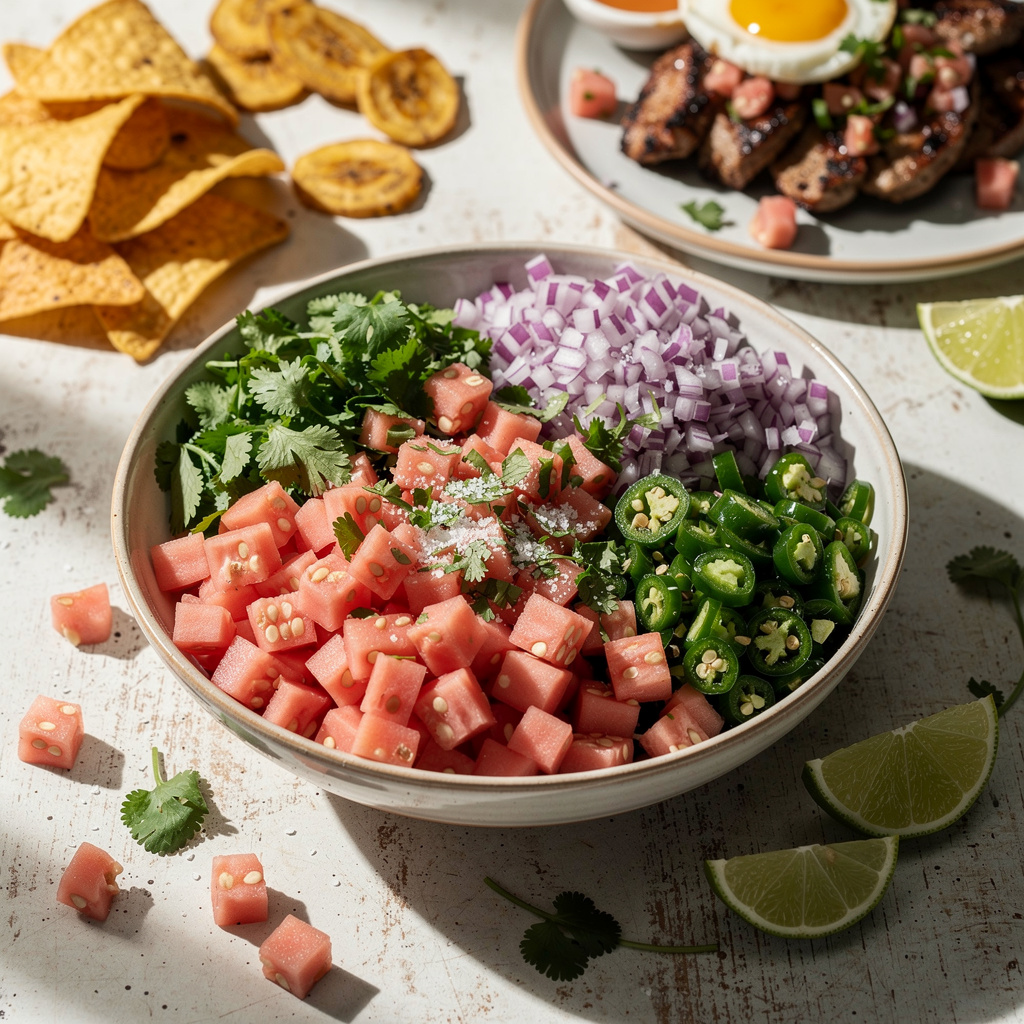
Ways to use salsa: Pair with chips like tortilla, plantain, or pita for a sweet-tart flavor As a topping for tacos, quesadillas, or rice bowls for a tropical twist Spoon over lean proteins or eggs for brightness and sweetness Health Benefits: Guava Guava is a tropical fruit known for its sweet‑tart flavor and exceptional nutrient density, offering high levels of vitamin C, dietary fiber, and antioxidants. It supports overall health by boosting immunity, aiding digestion, and providing heart‑healthy nutrients such as potassium and polyphenols. For people with diabetes, guava can be particularly beneficial because its low glycemic index and high fiber content slow the absorption of sugars, helping prevent post‑meal glucose spikes and promoting steadier blood sugar levels. Studies also show that fiber‑rich fruits like guava can improve satiety and support metabolic health, while its antioxidants may help reduce inflammation associated with diabetes. Nutrition Tip: Using Spicy Peppers for Blood Sugar Support Choosing spicy peppers such as jalapeños is a simple way to add big flavor to meals without increasing sugar or carbohydrate intake, making them a helpful option for people managing diabetes. Jalapeños are naturally low in calories and carbs, and they contain capsaicin, a compound that may help improve insulin sensitivity and support steadier blood glucose levels. Additionally, capsaicin has been associated with reduced inflammation, which can further aid metabolic health and blood sugar control. Incorporating spicy peppers and other common spices like cinnamon, turmeric, and ginger into dishes, like fresh salsas, stir‑fries, or lean‑protein meals, provides flavor without relying on high‑sugar sauces or condiments, supporting better overall glucose management. References: Saraswati DNPMAD, Purwanata IGR. Clinical efficacy of guava (Psidium guajava L.) in human trials: A review of therapeutic and nutritional applications. Pharmacy Reports. 2023;3(3). doi:10.51511/pr.85. Biology Insights. Are Guavas Good for Diabetes? Fruit & Leaf Benefits. Published January 23, 2026. Accessed January 28, 2026. Biology Insights. Can Diabetics Eat Spicy Food? December 13, 2025. Kaur A, Verma M, Bhandari R, Kuhad A. Therapeutic Implications of Capsaicin in Diabetes. In: Capsaicinoids. Springer Nature; 2024:395‑407.
Source: Live Tula Meal Planner
1 steps, about 20 minutes
-
01In a medium bowl, combine the diced guavas, finely chopped red onion, and minced jalapeño. 2. Add the chopped cilantro, lime juice, honey, salt, and ground cumin. 3. Gently toss all the ingredients together until well combined. 4. Let the salsa sit for at least 10 minutes before serving to allow the flavors to meld. 5. Enjoy fresh or store in an airtight container for 2-3 days.
Ways to use salsa: Pair with chips like tortilla, plantain, or pita for a sweet-tart flavor As a topping for tacos, quesadillas, or rice bowls for a tropical twist Spoon over lean proteins or eggs for brightness and sweetness Health Benefits: Guava Guava is a tropical fruit known for its sweet‑tart flavor and exceptional nutrient density, offering high levels of vitamin C, dietary fiber, and antioxidants. It supports overall health by boosting immunity, aiding digestion, and providing heart‑healthy nutrients such as potassium and polyphenols. For people with diabetes, guava can be particularly beneficial because its low glycemic index and high fiber content slow the absorption of sugars, helping prevent post‑meal glucose spikes and promoting steadier blood sugar levels. Studies also show that fiber‑rich fruits like guava can improve satiety and support metabolic health, while its antioxidants may help reduce inflammation associated with diabetes. Nutrition Tip: Using Spicy Peppers for Blood Sugar Support Choosing spicy peppers such as jalapeños is a simple way to add big flavor to meals without increasing sugar or carbohydrate intake, making them a helpful option for people managing diabetes. Jalapeños are naturally low in calories and carbs, and they contain capsaicin, a compound that may help improve insulin sensitivity and support steadier blood glucose levels. Additionally, capsaicin has been associated with reduced inflammation, which can further aid metabolic health and blood sugar control. Incorporating spicy peppers and other common spices like cinnamon, turmeric, and ginger into dishes, like fresh salsas, stir‑fries, or lean‑protein meals, provides flavor without relying on high‑sugar sauces or condiments, supporting better overall glucose management. References: Saraswati DNPMAD, Purwanata IGR. Clinical efficacy of guava (Psidium guajava L.) in human trials: A review of therapeutic and nutritional applications. Pharmacy Reports. 2023;3(3). doi:10.51511/pr.85. Biology Insights. Are Guavas Good for Diabetes? Fruit & Leaf Benefits. Published January 23, 2026. Accessed January 28, 2026. Biology Insights. Can Diabetics Eat Spicy Food? December 13, 2025. Kaur A, Verma M, Bhandari R, Kuhad A. Therapeutic Implications of Capsaicin in Diabetes. In: Capsaicinoids. Springer Nature; 2024:395‑407.
No notes yet.