 Lunch, Dinner
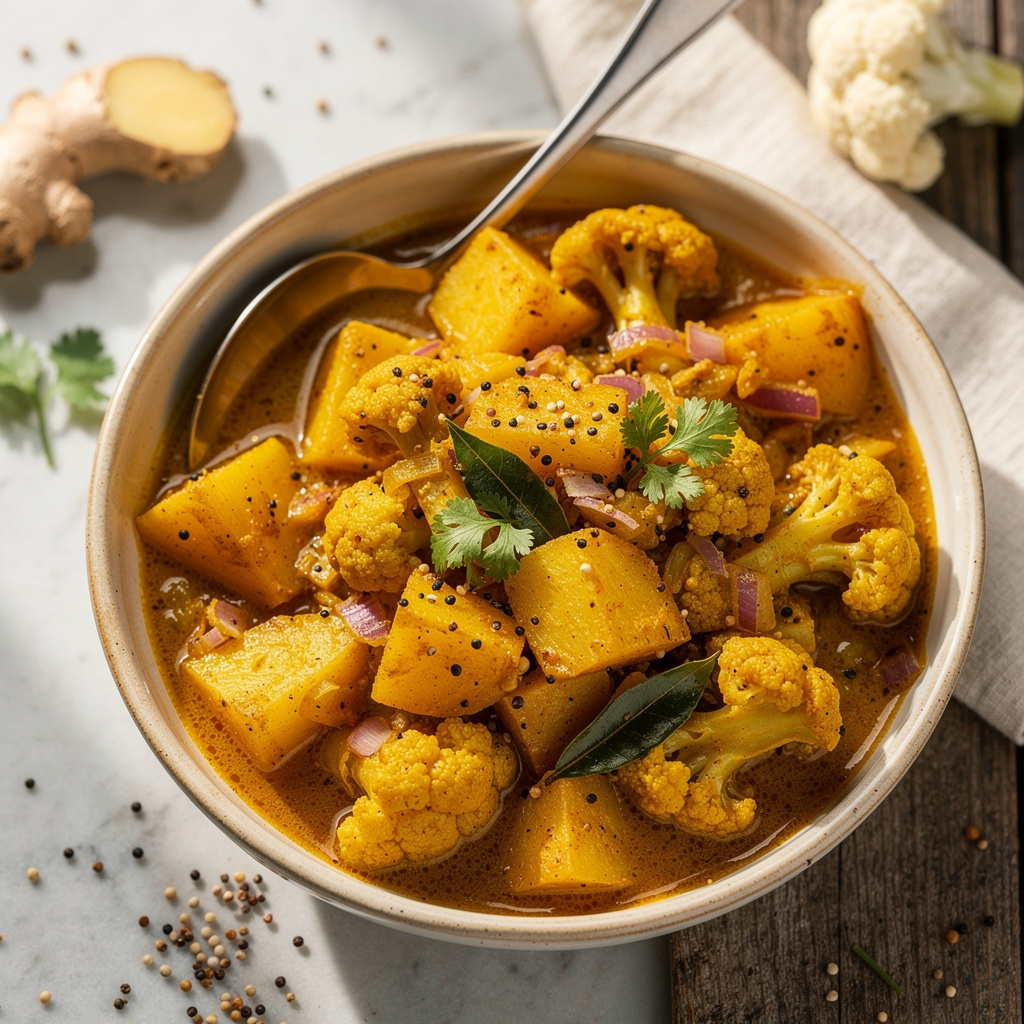
30-minute Instant Aloo Gobi (Potato & Cauliflower Curry)
Quick Tips: Cut potatoes and cauliflower small to ensure they cook within 30 minutes. For extra richness, stir in 1-2 tablespoons of coconut milk or yogurt at the end. For a lower‑carb version, replace potatoes with extra cauliflower or zucchini. Health Benefits: Fenugreek Fenugreek is an herb commonly used in South Asian, Middle Eastern, and Mediterranean cuisines, with its seeds traditionally valued for both culinary and medicinal purposes. Fenugreek seeds are rich in soluble fiber, protein, and bioactive compounds such as saponins and alkaloids, which contribute to their health benefits. Research suggests that fenugreek may help improve blood glucose control by slowing carbohydrate digestion and absorption, enhancing insulin sensitivity, and reducing post‑meal blood sugar spikes. For people with diabetes, incorporating fenugreek into meals may support better glycemic regulation and modest improvements in HbA1c when used as part of a balanced diet, making it a functional food with potential benefits for diabetes management. Nutrition Tip: Choose Low-Glycemic, High-Fiber Vegetables for Better Blood Sugar Control. Non-starchy vegetables such as spinach, cauliflower, tomatoes, and leafy greens are naturally low in carbohydrates and high in fiber, which helps slow digestion and reduces post‑meal blood sugar spikes. Fiber also improves insulin sensitivity and promotes fullness, making it easier to manage appetite and weight—both important factors in diabetes management. Building meals around vegetables first, then adding measured portions of carbohydrates, is a practical strategy to use at any meal. References: Shabil M, Bushi G, Bodige PK, et al. Effect of fenugreek on hyperglycemia: a systematic review and meta‑analysis. Medicina (Kaunas). 2023;59(2):248. doi:10.3390/medicina59020248 Najam A, Zahra MH. Exploring the therapeutic potential of fenugreek as an anti‑diabetic agent: a comprehensive review. Cent J Hum Nutr Food Sci. 2024;12:1187. American Diabetes Association Professional Practice Committee. Nutrition therapy for adults with diabetes or prediabetes: a consensus report. Diabetes Care. 2019;42(5):731‑754. doi:10.2337/dci19‑0014
Source: Live Tula Meal Planner
1 steps, about 30 minutes
-
01Set the Instant Pot to Sauté. Add the ghee or oil. Once hot, add the onion and cook for 2-3 minutes, stirring, until softened. 2. Stir in the ginger, mustard seeds, curry leaves, turmeric, fenugreek, chili powder, and green chilies. Cook for 1-2 minutes until fragrant and the mustard seeds begin to pop. 3. Add the potatoes, cauliflower, tomatoes, salt, sugar, and water. Stir well, making sure nothing is stuck to the bottom of the pot. 4. Secure the lid and set the Instant Pot to Pressure Cook (High) for 6 minutes. 5. Allow a natural pressure release for 5 minutes, then carefully quick‑release the remaining pressure. 6. Open the lid and stir in the spinach in batches until wilted. Switch back to Sauté and simmer for 2-3 minutes to slightly thicken the curry. 7. Season with black pepper and lemon juice to taste. Remove and discard the whole green chiles before serving.
Quick Tips: Cut potatoes and cauliflower small to ensure they cook within 30 minutes. For extra richness, stir in 1-2 tablespoons of coconut milk or yogurt at the end. For a lower‑carb version, replace potatoes with extra cauliflower or zucchini. Health Benefits: Fenugreek Fenugreek is an herb commonly used in South Asian, Middle Eastern, and Mediterranean cuisines, with its seeds traditionally valued for both culinary and medicinal purposes. Fenugreek seeds are rich in soluble fiber, protein, and bioactive compounds such as saponins and alkaloids, which contribute to their health benefits. Research suggests that fenugreek may help improve blood glucose control by slowing carbohydrate digestion and absorption, enhancing insulin sensitivity, and reducing post‑meal blood sugar spikes. For people with diabetes, incorporating fenugreek into meals may support better glycemic regulation and modest improvements in HbA1c when used as part of a balanced diet, making it a functional food with potential benefits for diabetes management. Nutrition Tip: Choose Low-Glycemic, High-Fiber Vegetables for Better Blood Sugar Control. Non-starchy vegetables such as spinach, cauliflower, tomatoes, and leafy greens are naturally low in carbohydrates and high in fiber, which helps slow digestion and reduces post‑meal blood sugar spikes. Fiber also improves insulin sensitivity and promotes fullness, making it easier to manage appetite and weight—both important factors in diabetes management. Building meals around vegetables first, then adding measured portions of carbohydrates, is a practical strategy to use at any meal. References: Shabil M, Bushi G, Bodige PK, et al. Effect of fenugreek on hyperglycemia: a systematic review and meta‑analysis. Medicina (Kaunas). 2023;59(2):248. doi:10.3390/medicina59020248 Najam A, Zahra MH. Exploring the therapeutic potential of fenugreek as an anti‑diabetic agent: a comprehensive review. Cent J Hum Nutr Food Sci. 2024;12:1187. American Diabetes Association Professional Practice Committee. Nutrition therapy for adults with diabetes or prediabetes: a consensus report. Diabetes Care. 2019;42(5):731‑754. doi:10.2337/dci19‑0014
No notes yet.