 Side Dish
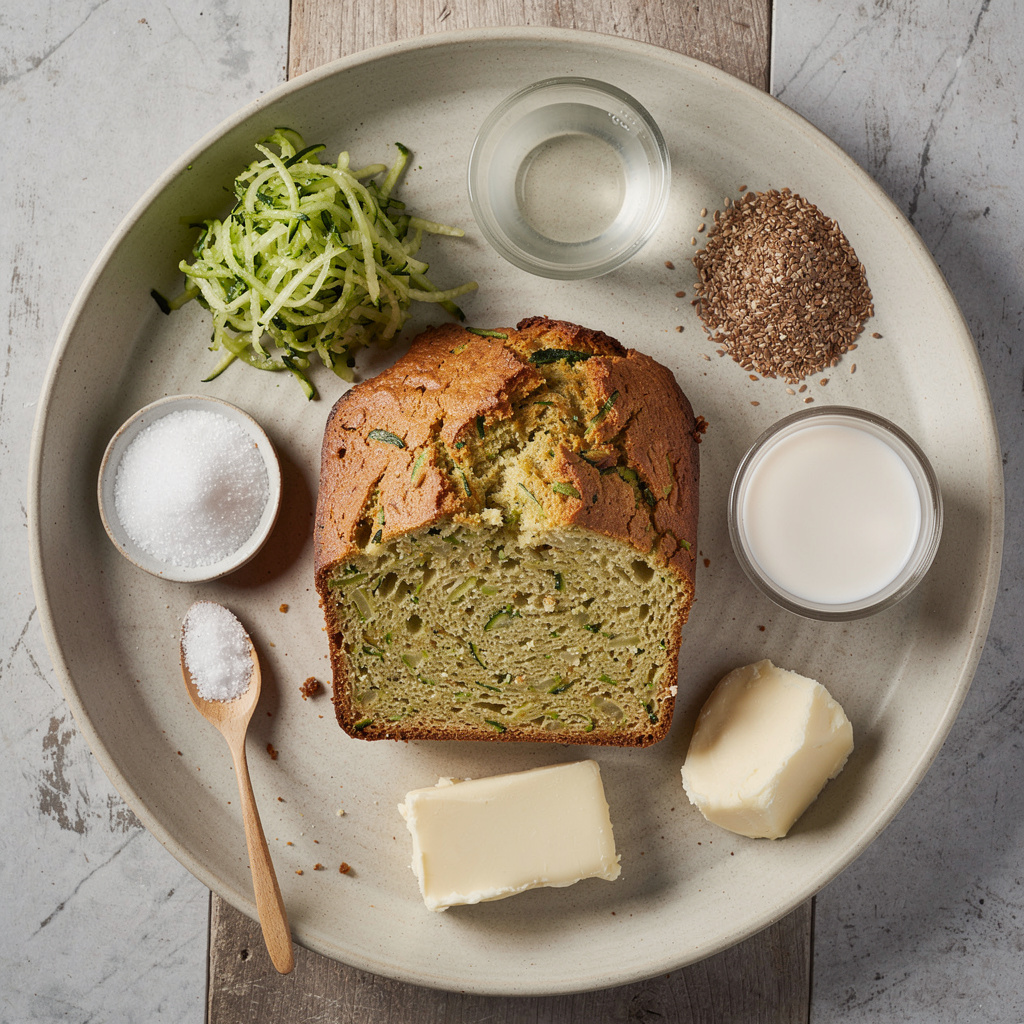
Zucchini Bread
Store in an airtight container on the counter for up to 3 days or in the freezer for up to 1 month. Refined coconut oil is coconut oil that does not smell or taste like coconuts. If you prefer a distinct coconut taste, use unrefined coconut oil instead. One medium zucchini is about 1 ½ cups grated, which is reduced to roughly ¾ cup after squeezing out the excess moisture. Health Benefits: Zucchini Zucchini is a mild‑flavored summer squash composed of about 95% water, making it naturally low in calories and carbohydrates. It is rich in fiber, vitamin C, potassium, and antioxidants that support metabolic and cardiovascular health. Zucchini is especially beneficial because it is a non‑starchy vegetable with a very low glycemic index (GI ~15) and minimal carbohydrate content (about 3–4 g per cup), meaning it has little impact on blood glucose levels. Its fiber helps slow digestion and glucose absorption, supporting steadier post‑meal blood sugar, while its high-water content adds volume and satiety without adding extra carbs. Nutrition Tip: Dessert and Vegetables Can Work Together Vegetables can be a great addition to desserts because many non‑starchy options like carrots, pumpkin, yellow squash, and beetroot add natural moisture, fiber, and nutrients without causing large blood glucose spikes. Using vegetables in baked goods can also increase volume and satiety while reducing the need for added sugars or refined carbs. Carrots and pumpkin add beta‑carotene and supportive antioxidants; yellow squash behaves similarly to zucchini with low glycemic impact, and beetroot adds phytonutrients that may support vascular health. Experimenting with vegetables in desserts is a practical way to boost fiber, enhance nutrition, and maintain better blood sugar stability. References: Choudhury AR. Zucchini: Is It Really Safe For Your Blood Sugar? NutritionCrown. Published July 25, 2025. Accessed March 4, 2026. Glycemic Index Database. Zucchini – Glycemic Index, Glycemic Load, Nutrition Facts. Accessed March 4, 2026.
Source: Live Tula Meal Planner
1 steps, about 90 minutes
-
01Preheat the oven to 350°F. 2. In a large bowl, whisk the ground flaxseeds with water. Let it sit for a few minutes to thicken. 3. Coarsely grate the zucchini. Place it in a clean kitchen towel, gather into a ball, and squeeze out as much liquid as possible. Set aside. 4. Grease a 4½ × 8½‑inch loaf pan and line the bottom with parchment paper. 5. To the bowl with the flax mixture, add soy milk, granulated sugar, brown sugar, applesauce, melted coconut oil, and vanilla. Mix until smooth. 6. Sift in the flour, baking powder, cinnamon, nutmeg, and salt. Stir gently until just combined. 7. Add the squeezed zucchini and chopped walnuts. Fold lightly to avoid overmixing. 8. Transfer the batter to the prepared loaf pan. Bake on the center rack for 70–75 minutes, or until a skewer inserted into the center comes out clean. 9. Let the loaf cool in the pan for a few minutes, then transfer to a wire rack to cool completely. Slice and enjoy!
Store in an airtight container on the counter for up to 3 days or in the freezer for up to 1 month. Refined coconut oil is coconut oil that does not smell or taste like coconuts. If you prefer a distinct coconut taste, use unrefined coconut oil instead. One medium zucchini is about 1 ½ cups grated, which is reduced to roughly ¾ cup after squeezing out the excess moisture. Health Benefits: Zucchini Zucchini is a mild‑flavored summer squash composed of about 95% water, making it naturally low in calories and carbohydrates. It is rich in fiber, vitamin C, potassium, and antioxidants that support metabolic and cardiovascular health. Zucchini is especially beneficial because it is a non‑starchy vegetable with a very low glycemic index (GI ~15) and minimal carbohydrate content (about 3–4 g per cup), meaning it has little impact on blood glucose levels. Its fiber helps slow digestion and glucose absorption, supporting steadier post‑meal blood sugar, while its high-water content adds volume and satiety without adding extra carbs. Nutrition Tip: Dessert and Vegetables Can Work Together Vegetables can be a great addition to desserts because many non‑starchy options like carrots, pumpkin, yellow squash, and beetroot add natural moisture, fiber, and nutrients without causing large blood glucose spikes. Using vegetables in baked goods can also increase volume and satiety while reducing the need for added sugars or refined carbs. Carrots and pumpkin add beta‑carotene and supportive antioxidants; yellow squash behaves similarly to zucchini with low glycemic impact, and beetroot adds phytonutrients that may support vascular health. Experimenting with vegetables in desserts is a practical way to boost fiber, enhance nutrition, and maintain better blood sugar stability. References: Choudhury AR. Zucchini: Is It Really Safe For Your Blood Sugar? NutritionCrown. Published July 25, 2025. Accessed March 4, 2026. Glycemic Index Database. Zucchini – Glycemic Index, Glycemic Load, Nutrition Facts. Accessed March 4, 2026.
No notes yet.